Two months after the Bolshevik coup in October 1917, the All-Russian Extraordinary Commission for Combating Counterrevolution and Sabotage (Cheka) was established on 20 December. Felix Dzerzhinsky, a native of the Minsk Region, headed the commission. The agency was granted extrajudicial powers, including the ability to imprison individuals in concentration camps and execute so-called “enemies of the revolution” and non-proletarian social classes. On 5 September 1918, these powers were ratified in the Decree on the Red Terror.
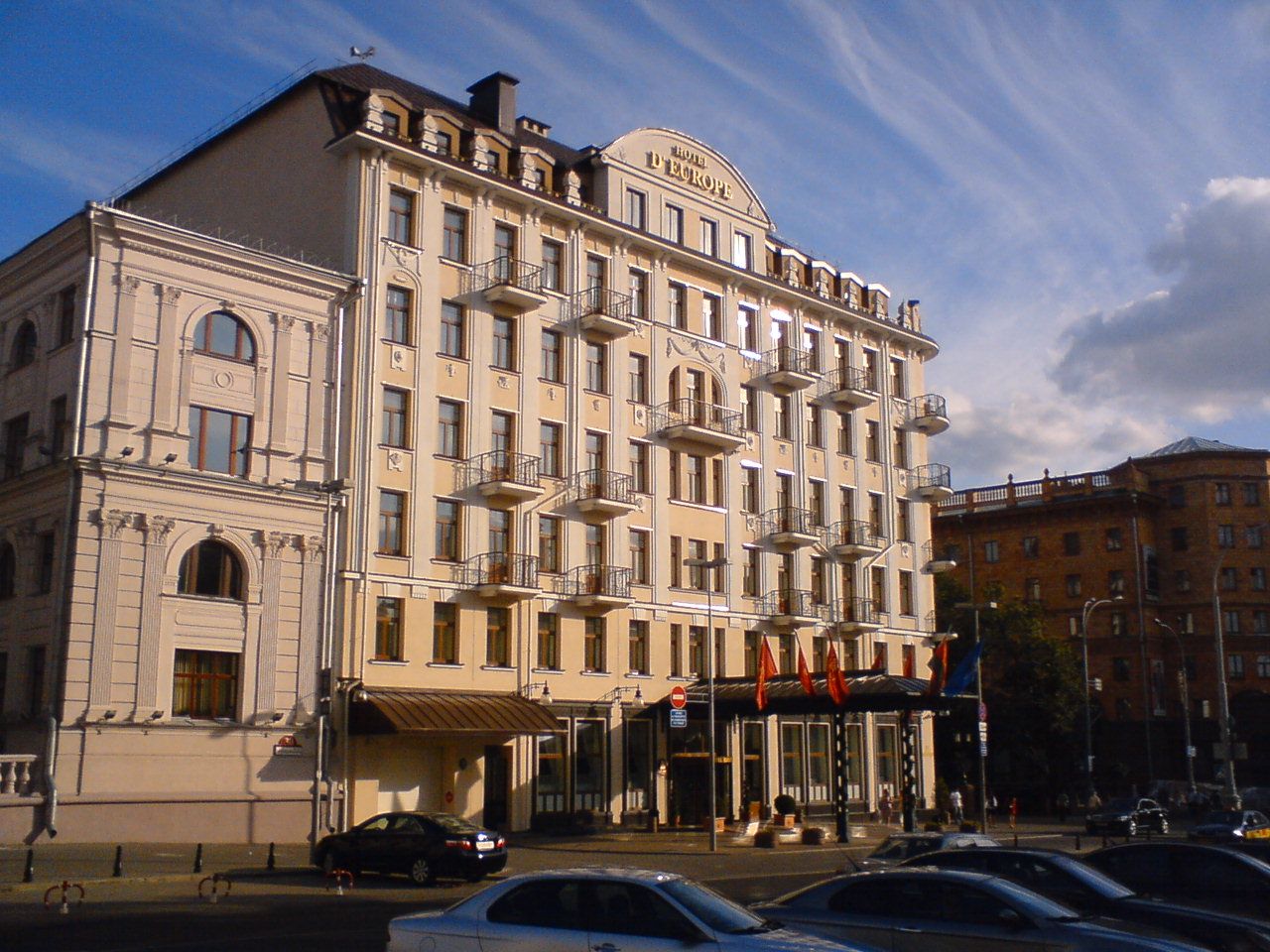
Following the All-Russian Commission’s example, the Minsk Soviet (Council) of Workers’ and Soldiers’ Deputies established a department to combat counterrevolution and profiteering on 22 January 1918. The department’s first head was Ludvig Rezaussky, a Latvian who was the Commissar for Internal Affairs of the Council of People’s Commissars of the Western Region and Front. The department was housed in the former Europe Hotel building. It fought officials who sabotaged the new government, as well as counterrevolutionaries and profiteers. Evidently, these actions included executions. However, shortly before the German advance on Minsk in February of that year, the department fled to Smolensk, where it was disbanded.
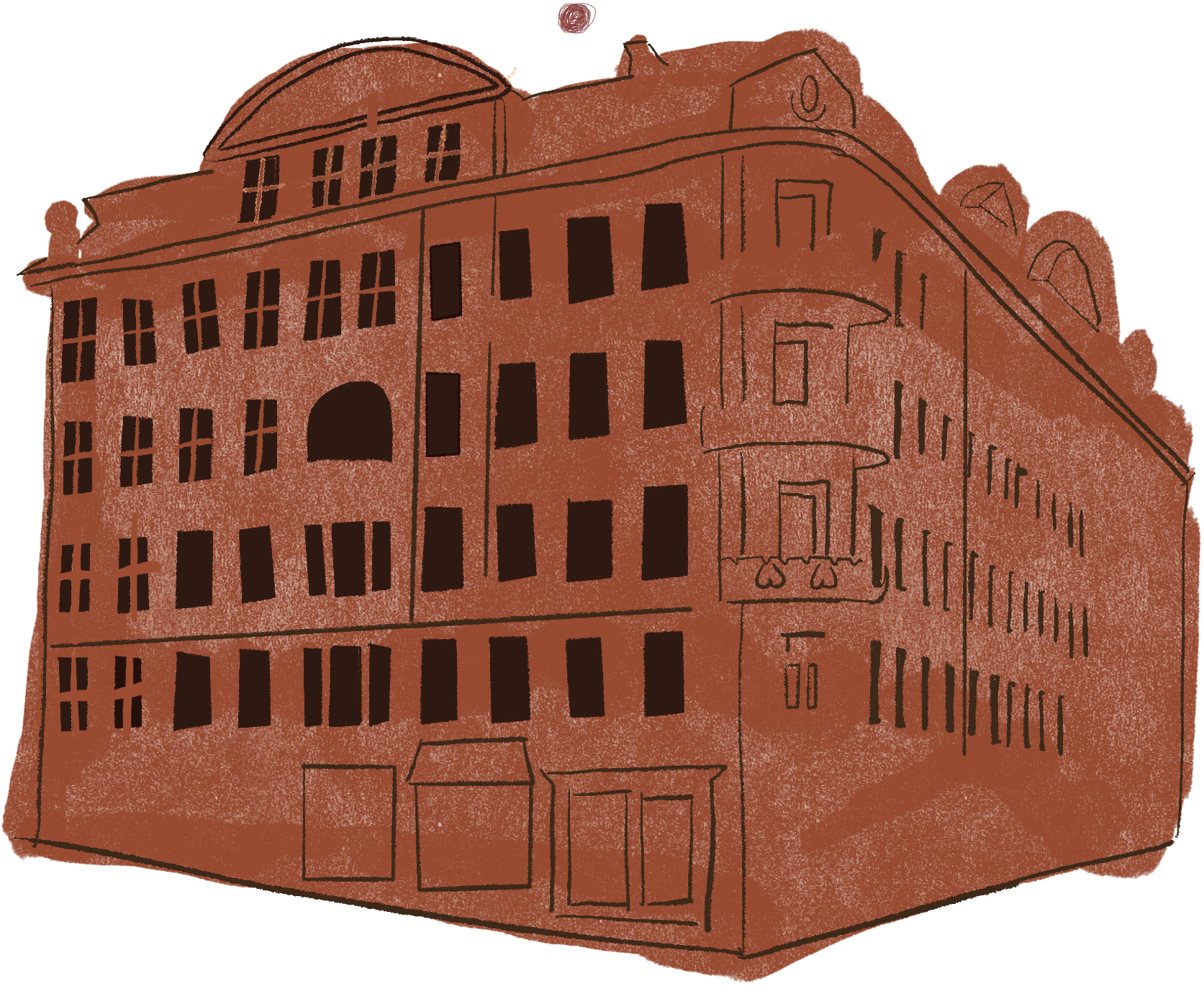
A few months after the Germans left Minsk, on 18 February 1919, the executive committee of the newly formed Socialist Soviet Republic of Byelorussia established the Minsk Provincial Extraordinary Commission to fight counterrevolution and sabotage. According to the documentary by Belarusfilm Chekists of the Minsk Region, the head of the Provincial Cheka was Iosif Harahliad. During this period, the commission was likely based in a two-story building constructed in 1893 at what is now 18 Engels Street. It is believed that the Red Terror began on Belarusian lands from here. Interrogations and executions took place in the building’s cellars. However, this time the Bolsheviks did not rule Minsk for long. On 8 August 1919, the Polish Army occupied what would become the capital of Belarus.
Residents later recounted that, while fleeing, the Chekists executed several dozen people accused of counterrevolution. The Bolsheviks left their bodies in the basement and the yard of the Minsk Provincial Cheka.
After the Poles left on 21 August 1920, the Minsk Provincial Cheka was reestablished under the leadership of Aleksandr Rotenberg. In the same year, it was renamed the BSSR Cheka. Once again, the building on today’s Enhelsa Street became the site of bloody Cheka activity. Arrests, interrogations, and executions of counterrevolutionary elements and profiteers resumed. One contemporary employee, Mikhail (real name Israel) Shreider, recorded in his memoirs how Minsk Chekists uncovered a gang of Jewish profiteers who supposedly made sausage out of human flesh. The gang was executed without trial. Shreider did not recall where the executed were buried.