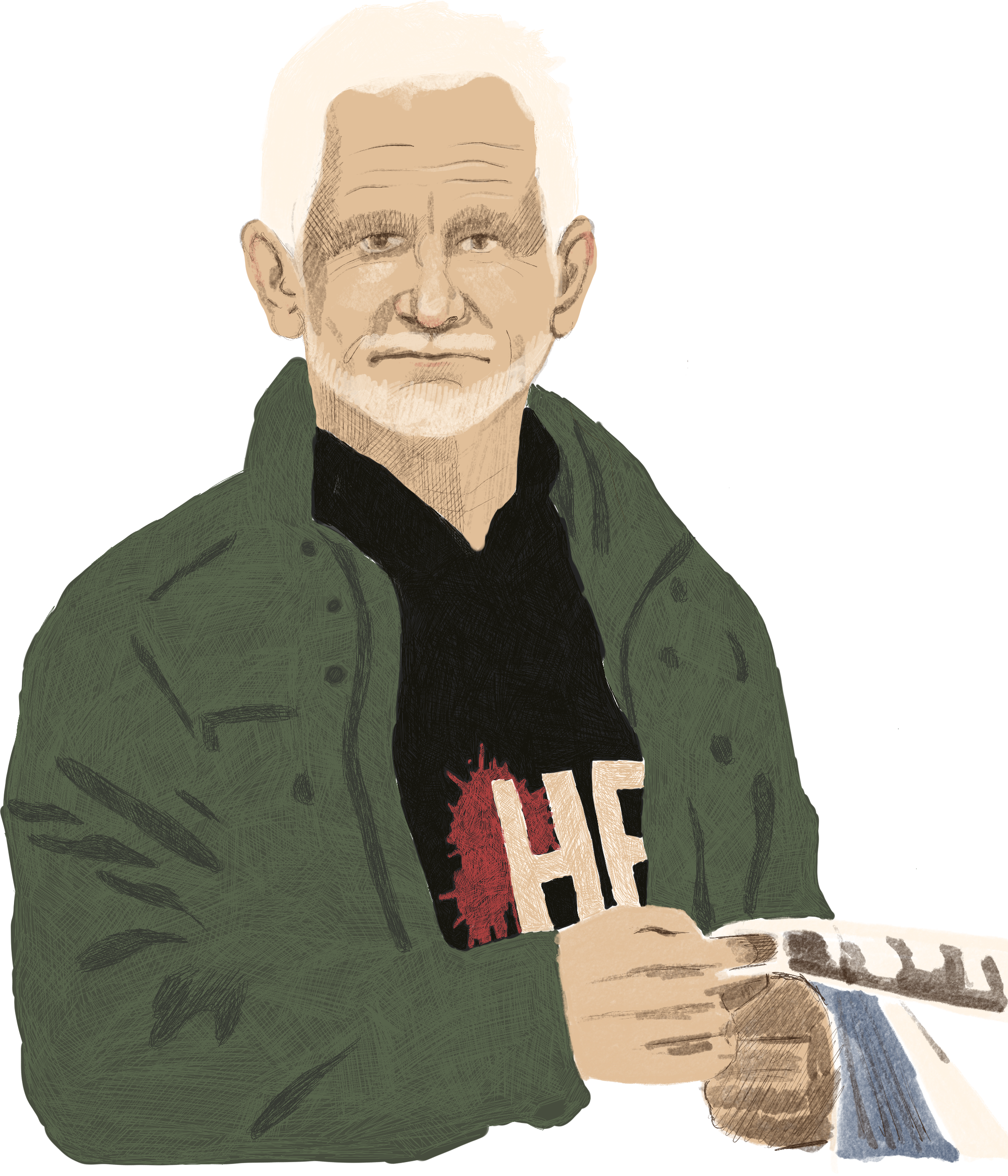


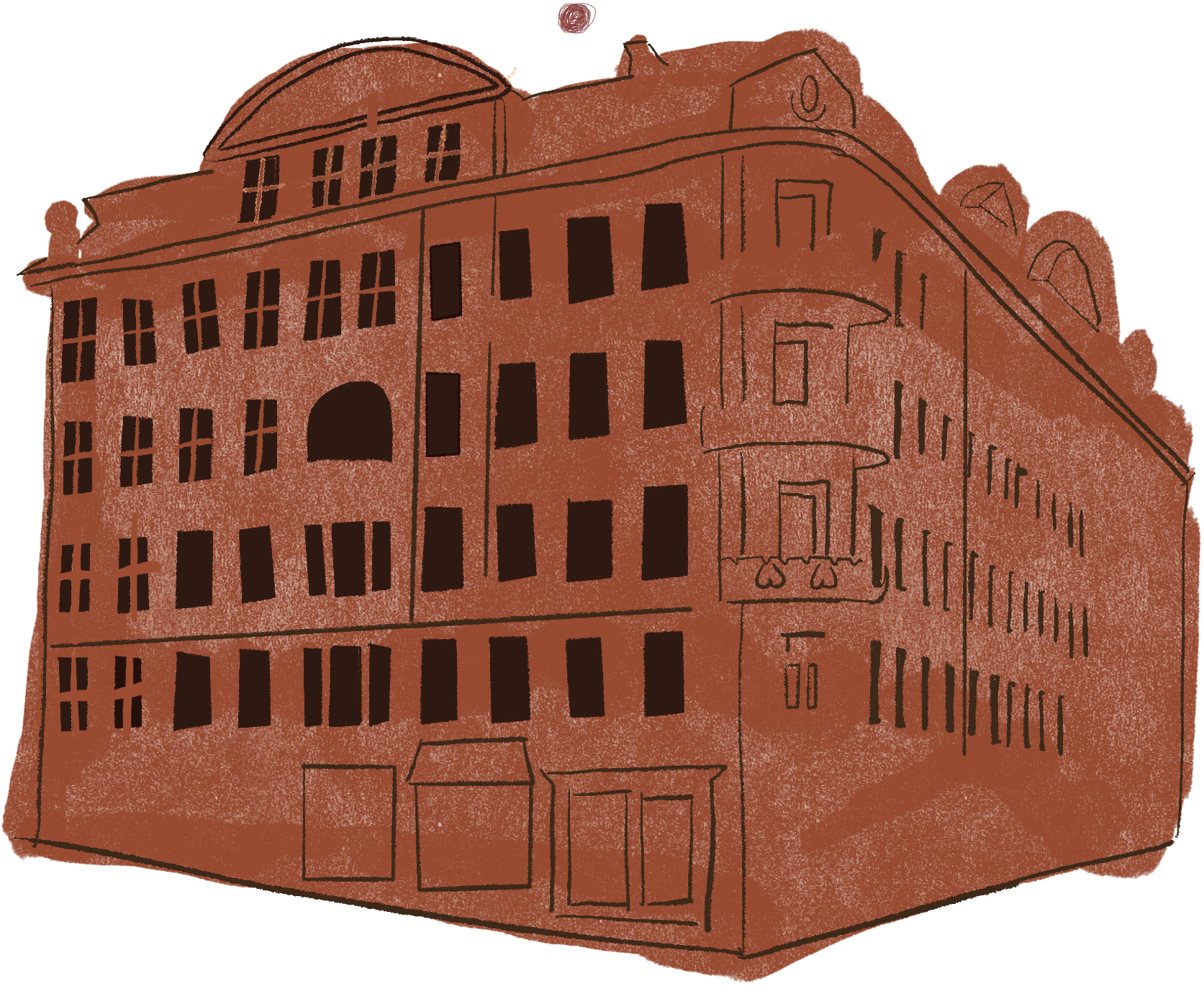
1. Former Europe Hotel building on Svabody Square and 18 Enhelsa Street.
Two months after the Bolshevik coup of 1917, the Red Terror began in Belarus. Minsk was one of the first locations where the Extraordinary Commissions (the Cheka), the predecessors of the KGB, operated. According to testimonies, interrogations, and executions of “enemies of the revolution” took place in their headquarters, located in a two-story building at 18 Enhelsa Street.
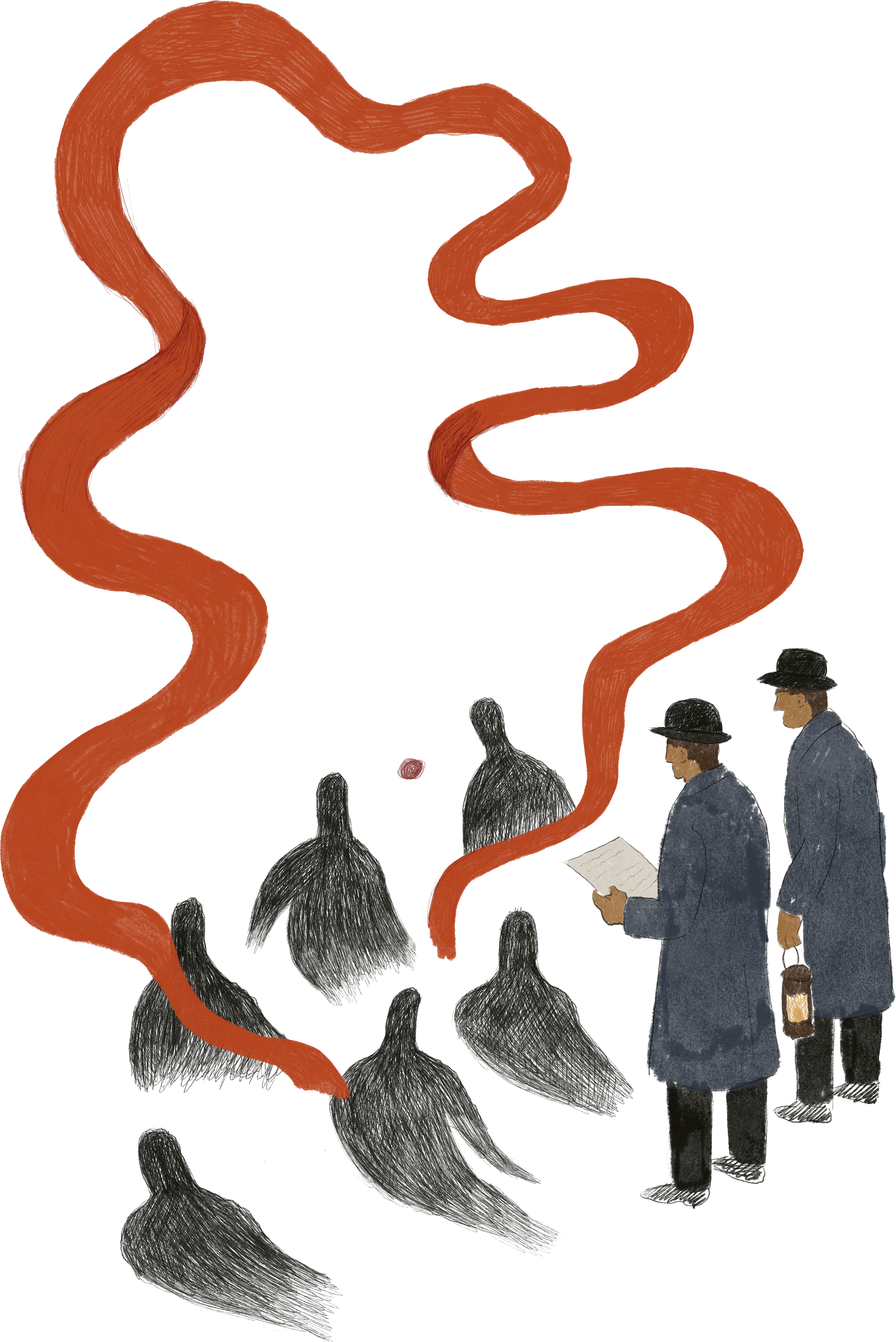
2. Kojdanaŭski Tract (former Minsk-1 Airport area)
Following the Polish occupation of Minsk in August 1919, an investigation into the crimes committed by the Bolshevik Cheka began. A Polish-American commission examined the horrifying discoveries made on the outskirts of the city, including dozens of graves containing people who had been tortured and buried alive. Tragic testimonies were particularly abundant in the Kojdanaŭski Tract, where bodies were found with broken bones and signs of torture. These discoveries were the first evidence of the scale of the Red Terror in Belarus.

3. Kamaroŭski Forest
Today, the Kamaroŭski Forest is a densely populated district of Minsk. A hundred years ago, it was a site of executions and secret burials of victims of Bolshevik terror. In 1919, a Polish-American commission discovered mass graves in the area of present-day 69 Kujbyšava Street and School No. 187. Years later, writer and journalist Frantsishak Aliakhnovich recalled the shootings at Kamaroŭka. In the 1930s, the Chekists continued to use the name of this place as a synonym for a death threat. Kamaroŭka became one of the most terrible symbols of Minsk’s Red Terror.
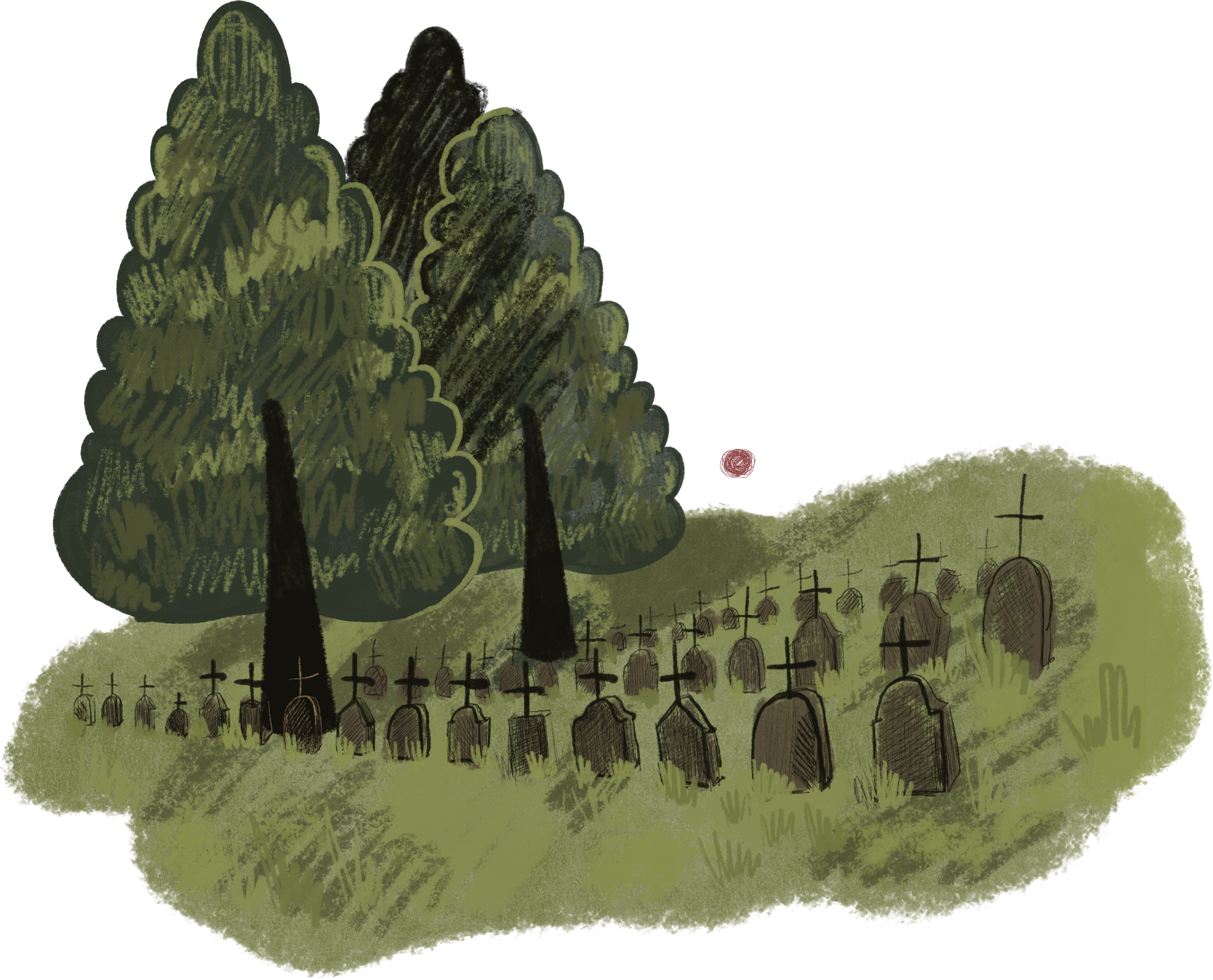
4. Park Čaliuskincaŭ
Today, Park Čaliuskincaŭ is a place where the ground remembers two terrible periods in history: Stalinist and Nazi terror. Extrajudicial executions took place here in the interwar decades in what was then the Vankovich Forest. Later, during the war, the Stalag 352 camp operated here, where thousands of prisoners of war perished.
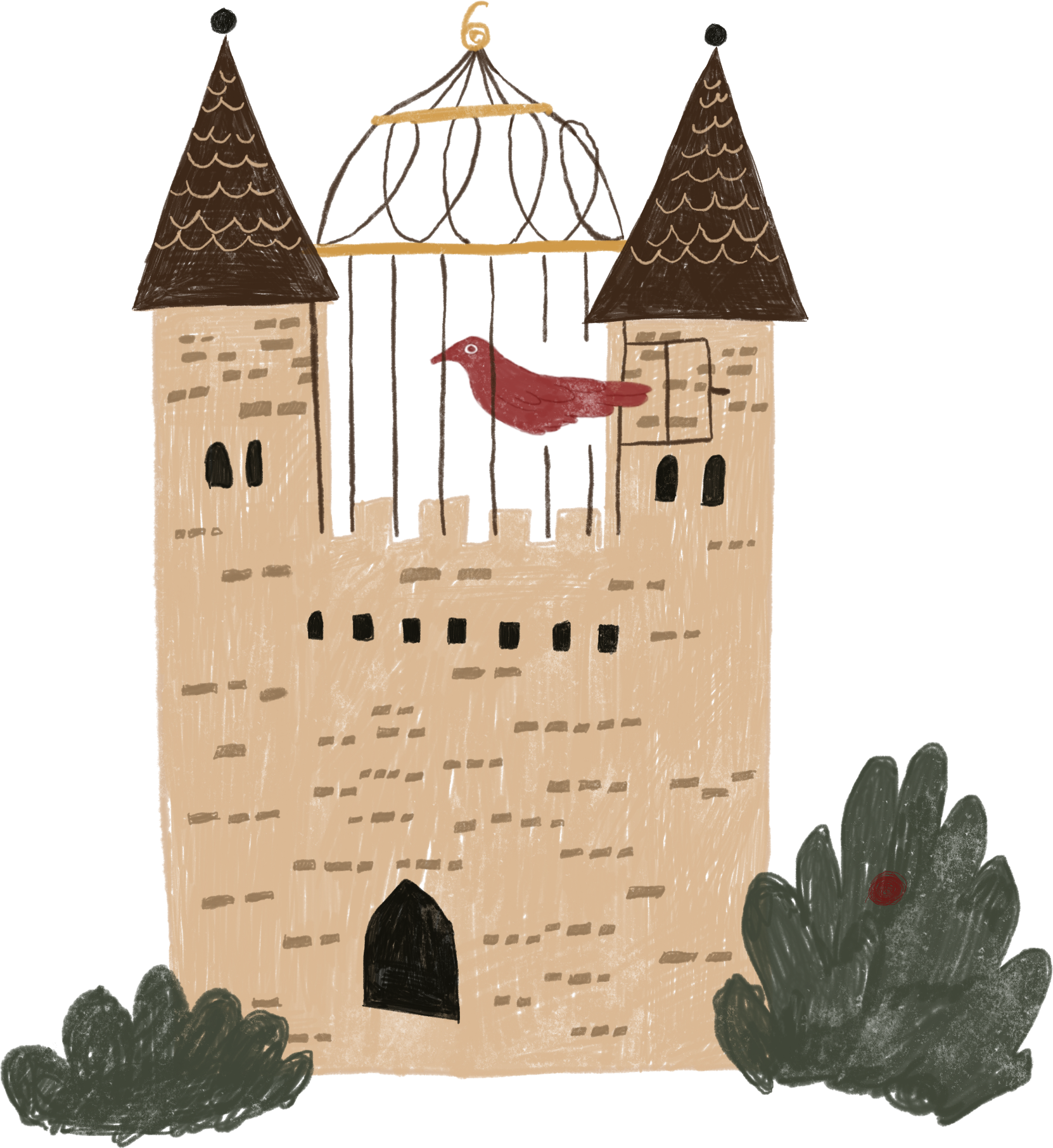
5. Piščalaŭski Castle, or Valadarka. Remand Center No. 1 (2 Valadarskaha Street)
Piščalaŭski Castle, also known as Valadarka, has been a symbol of violence and repression in the heart of the Belarusian capital for nearly two centuries. Since 1825, its walls have imprisoned rebels, writers, political prisoners, and hundreds of people sentenced to death. On the night of 30 October 1937, dozens of Belarusian intellectuals were shot in the basements. Later, thousands of other victims of Stalinist terror and the Soviet system were killed there as well. In independent Belarus, thousands of new political prisoners passed through Remand Center No. 1. By 2015, around 400 death sentences had been carried out there. Now that the jail has been relocated, the authorities plan to convert Valadarka into a museum and entertainment venue — a place where people were once executed.
6. Ministry of Internal Affairs headquarters (Haradski Val Street and 2/15 Niezaliežnasci Avenue)
In 1920, the Belarusian Extraordinary Commission, the first Soviet punitive body that would later become the NKVD and KGB, moved into the building on Valadarskaha Street that houses the Belarusian Ministry of Internal Affairs today. During the Stalinist repressions, interrogations, torture, and psychological pressure took place in the investigators’ offices. From 1937 to 1938, NKVD investigators received permission from Moscow to use “physical coercion” — they beat detainees, deprived them of sleep, and kept people in isolation chambers. The building became a symbol of systematic terror, and according to testimonies, “moaning and screaming could be heard a block away.” Today, the building still serves the authorities, and its walls preserve the memory of one of the darkest pages in Belarusian history.
7. KGB Remand Center, or Amerykanka
The KGB Remand Center, also known as Amerykanka, is one of the most infamous and terrifying prisons in Belarus. Located in the inner courtyard of the KGB headquarters in the center of Minsk, the prison dates back to the 1920s when the Soviet state security agency established it. The circular building with a guard tower in the center resembles U.S. prisons, hence the unofficial name. Interrogations, torture, and extrajudicial executions took place here. During the Great Purge of 1937, dozens of prominent Belarusian cultural and scientific figures were killed in its basements. Until 1953, Amerykanka, along with Piščalaŭski Castle, was used as an execution site and later became a KGB investigative detention center. To this day, people accused of “crimes against state security” are held in this prison. Notable political prisoners held here include Raman Pratasevich, Viktar and Eduard Babaryka, Maksim Znak, and Liliya Ulasava. This place remains a living symbol of the continuity of repression from the Stalinist era to contemporary Belarus.

8. Kurapaty
Kurapaty is a forested area outside Minsk where the NKVD secretly shot and buried thousands of people in mass graves from the summer of 1937 onward. After the war, the Soviet authorities attempted to cover their tracks. The truth about the site only emerged in 1988 thanks to the research of Zianon Pazniak. These activities transformed Kurapaty into a people’s memorial and a symbol of Stalinist crimes. The exact number of victims is unknown, and the site’s legacy continues to be the subject of political controversy, vandalism, and official pressure.
9. Forest in Sliapianka and Tsanava’s Dacha
The former Vankovich estate in Sliapianka is a place where the tragic and symbolic layers of history converge. After its nationalization in the 1920s, agricultural institutions and an NKVD school operated there. Nearby was a forest where, according to testimonies, executions took place. In the 1930s, students first noticed camouflaged graves here. In the late 1930s, Lavrentiy Tsanava, the head of Belarusian state security, built a dacha in that same forest. The renowned actor and director Solomon Mikhoels was murdered there in 1948. In 2024, human remains were discovered again during construction on Parnikovaja Street in this area — evidence that the soil of Sliapianka still conceals undiscovered pages of Belarusian history.
10. Lošycki Ravine
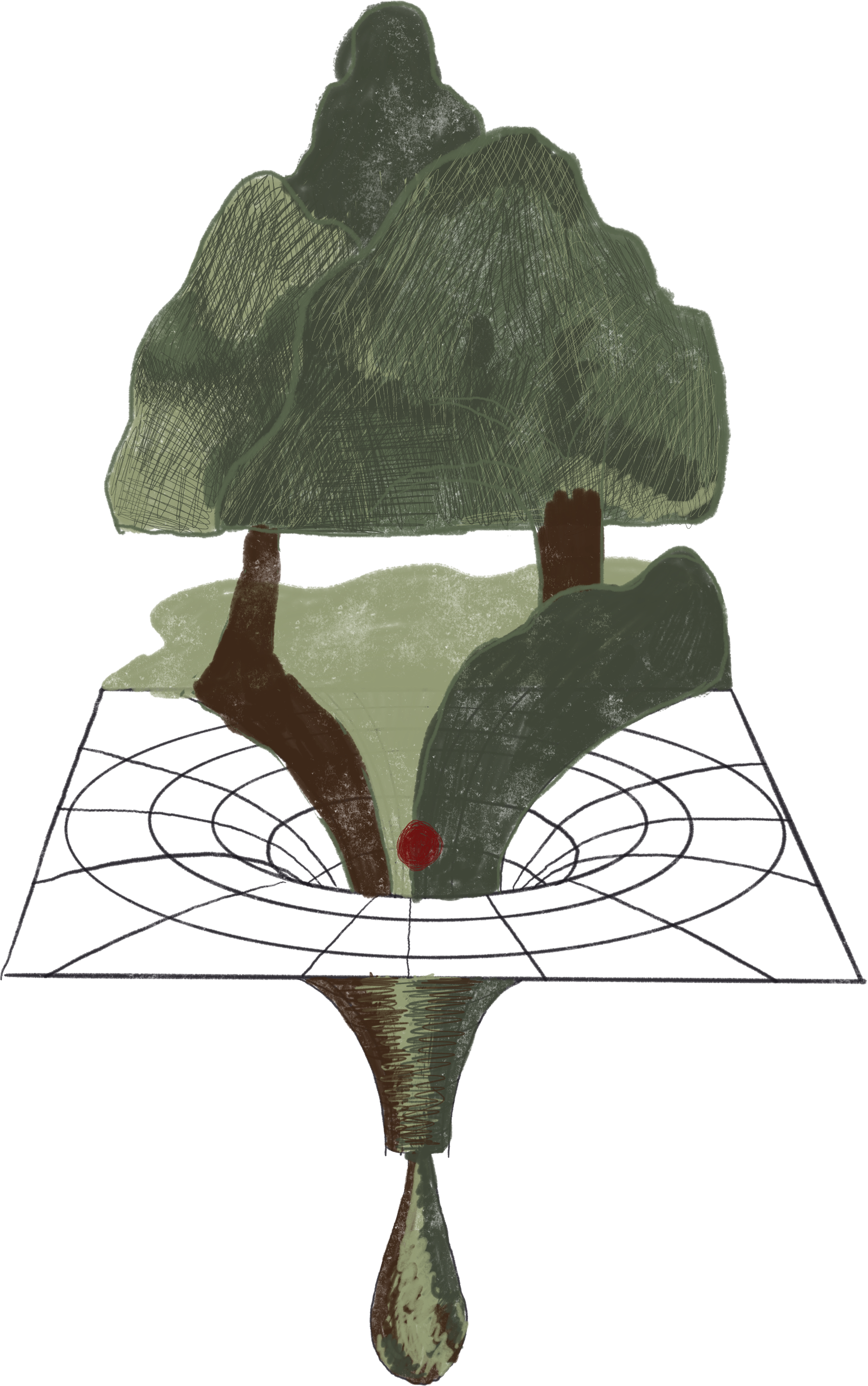
The Lošycki Ravine is one of the most infamous sites of Stalinist terror near Minsk. In the 1920s and 1930s, an NKVD school and a base for Soviet saboteurs operated on the territory of the former Lubanski estate, and executions of “enemies of the people” took place in the surrounding forest. According to testimonies, shootings occurred almost daily in 1937, possibly killing up to 10,000 people. After the war, there were attempts to fill in and build over the area, but the public preserved its memory. In 1995, a cross was erected in the Čorny Ravine in memory of the victims of Bolshevik terror. It remained there for nearly three decades until it disappeared in 2024, symbolizing the difficulty of preserving the memory of the past in Belarus.
11. Civali (the Aurora Cinema area)
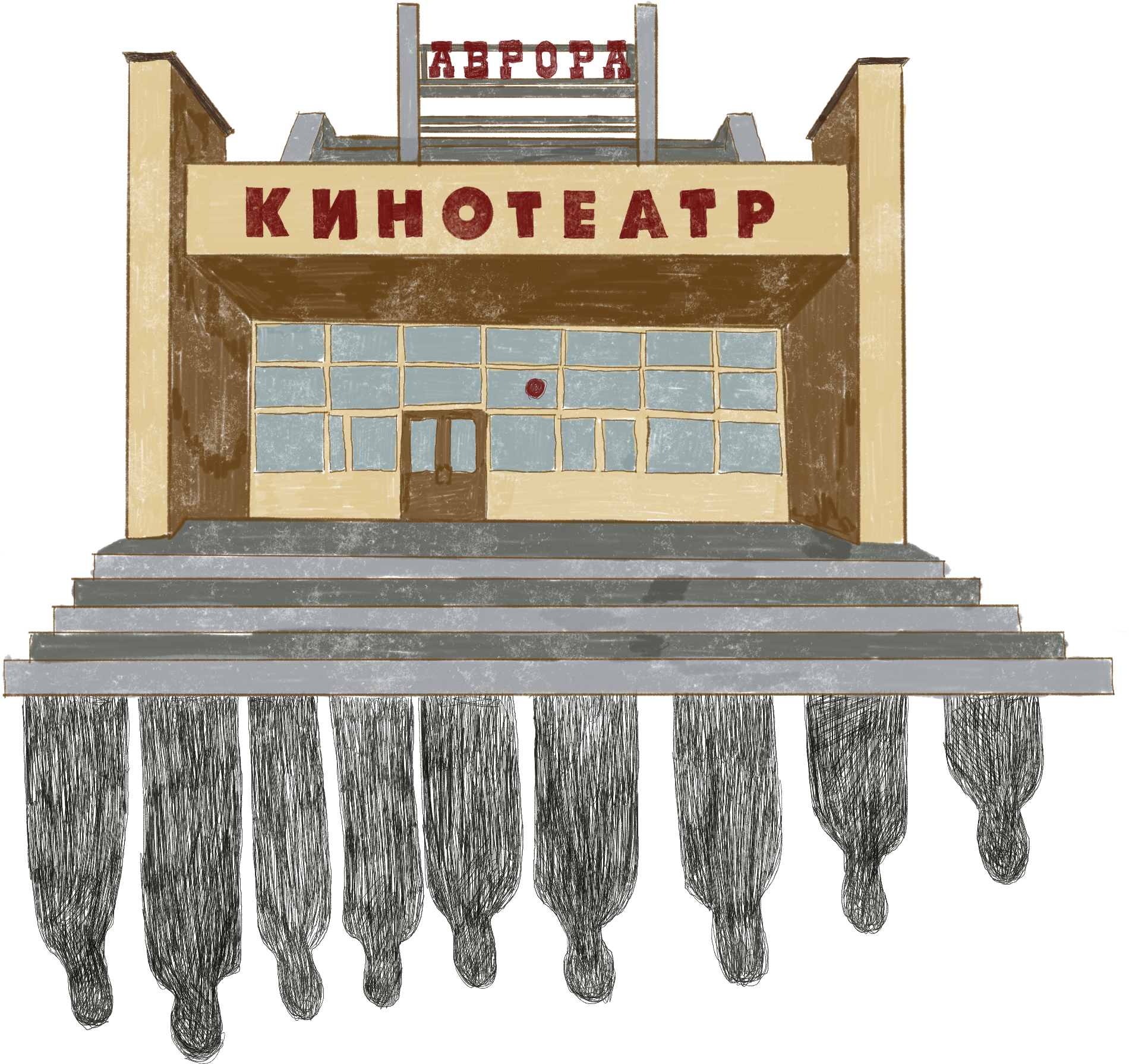
Mass executions may have taken place in the 1930s on the territory of the Civali State Farm, where an animal burial ground was located. When construction of residential buildings began here in the 1960s, workers discovered human remains among the animal bones. The remains were bound with wire and had bullet holes in their skulls. According to some accounts, these traces were destroyed — the bones were burned and reburied. Some speculate that around three hundred railway workers, who were executed on Lazar Kaganovich’s orders during the Great Purge of 1938, may have been buried here. Today, this site is seen as another silent symbol of Stalinist crimes in Minsk.
12. Trascianiec / Blahaŭščyna
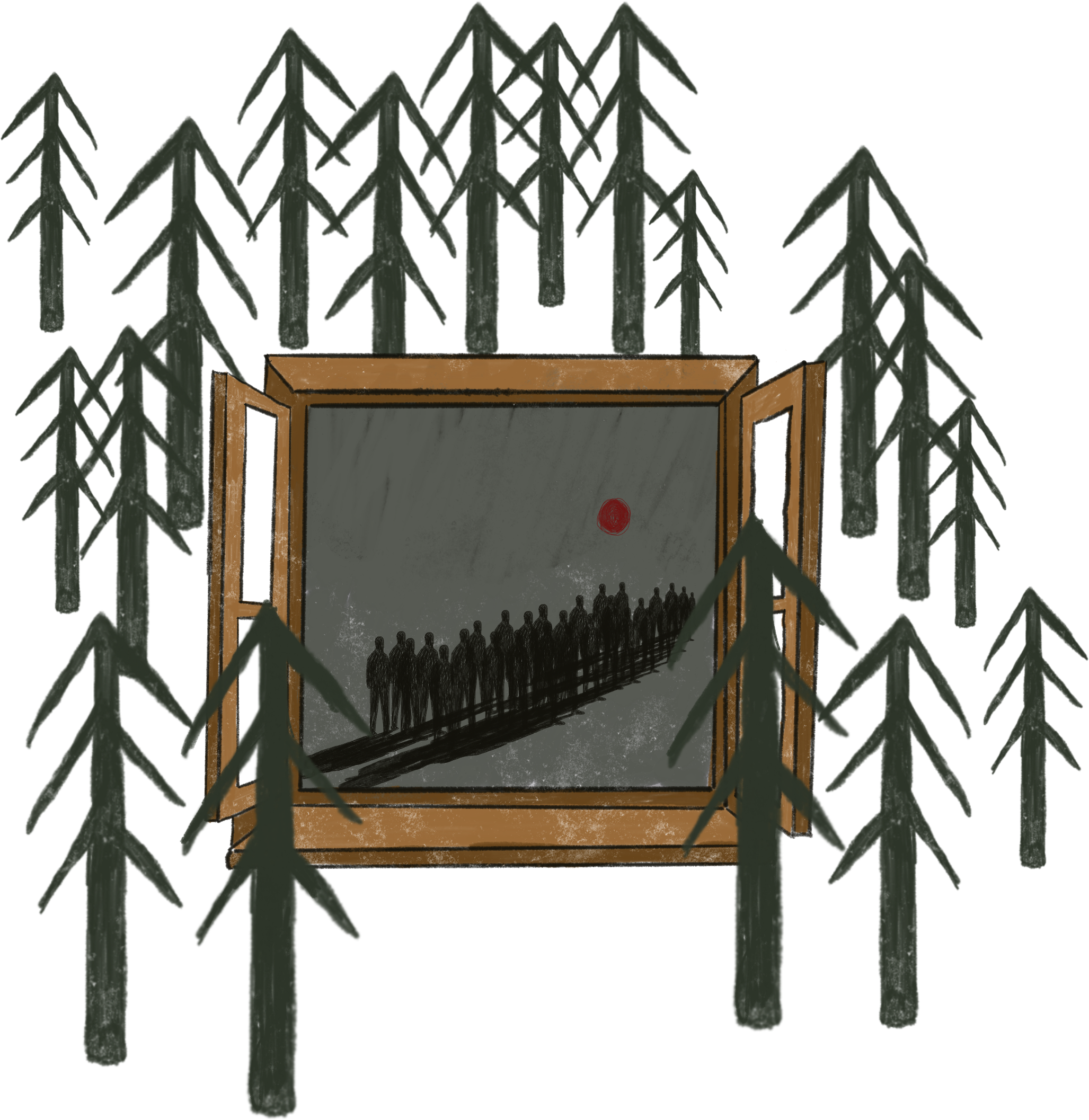
The Blahaŭščyna Memorial Complex opened outside Minsk in 2018. It was built on the site of one of the largest death camps of World War II, a branch of Trascianiec. The Nazis killed hundreds of thousands of civilians and deported Jews from across Europe here. The history of this place began earlier, however. According to testimonies, the NKVD may have carried out executions in the surrounding forest in the late 1930s. In June 1941, they shot columns of political prisoners during the evacuation of prisons. After the war, the Soviet authorities attempted to erase all traces of the camp by creating a city landfill on the site of the former burials. Today, Blahaŭščyna is a place where the tragic legacies of two dictatorships converge, and where the land continues to bear witness to the crimes of Nazism and Stalinism.
13. Northern Cemetery
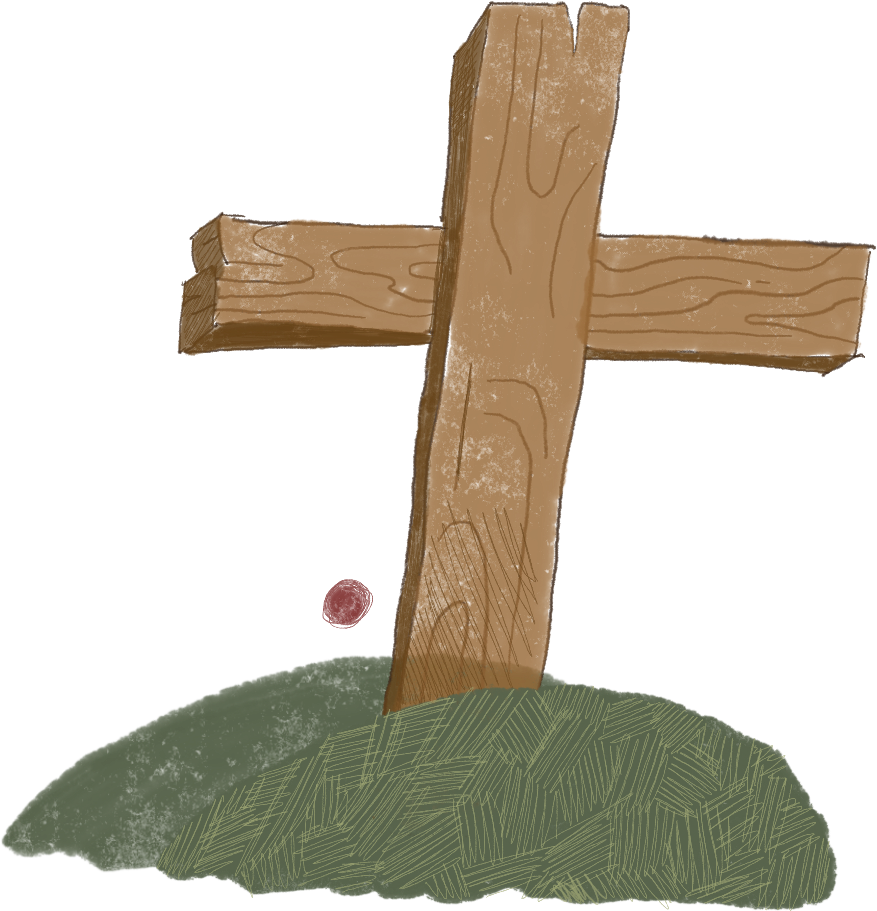
According to human rights defenders and the families of those sentenced to death, the Northern Cemetery in Minsk is one of the sites where the bodies of people executed following Belarusian court verdicts were buried. The remains of those whose bodies were not returned to their families after execution are believed to have been taken there. In 2010, Sviatlana Zhuk searched in vain for the burial site of her son Andrei after his execution.
14. Supreme Court
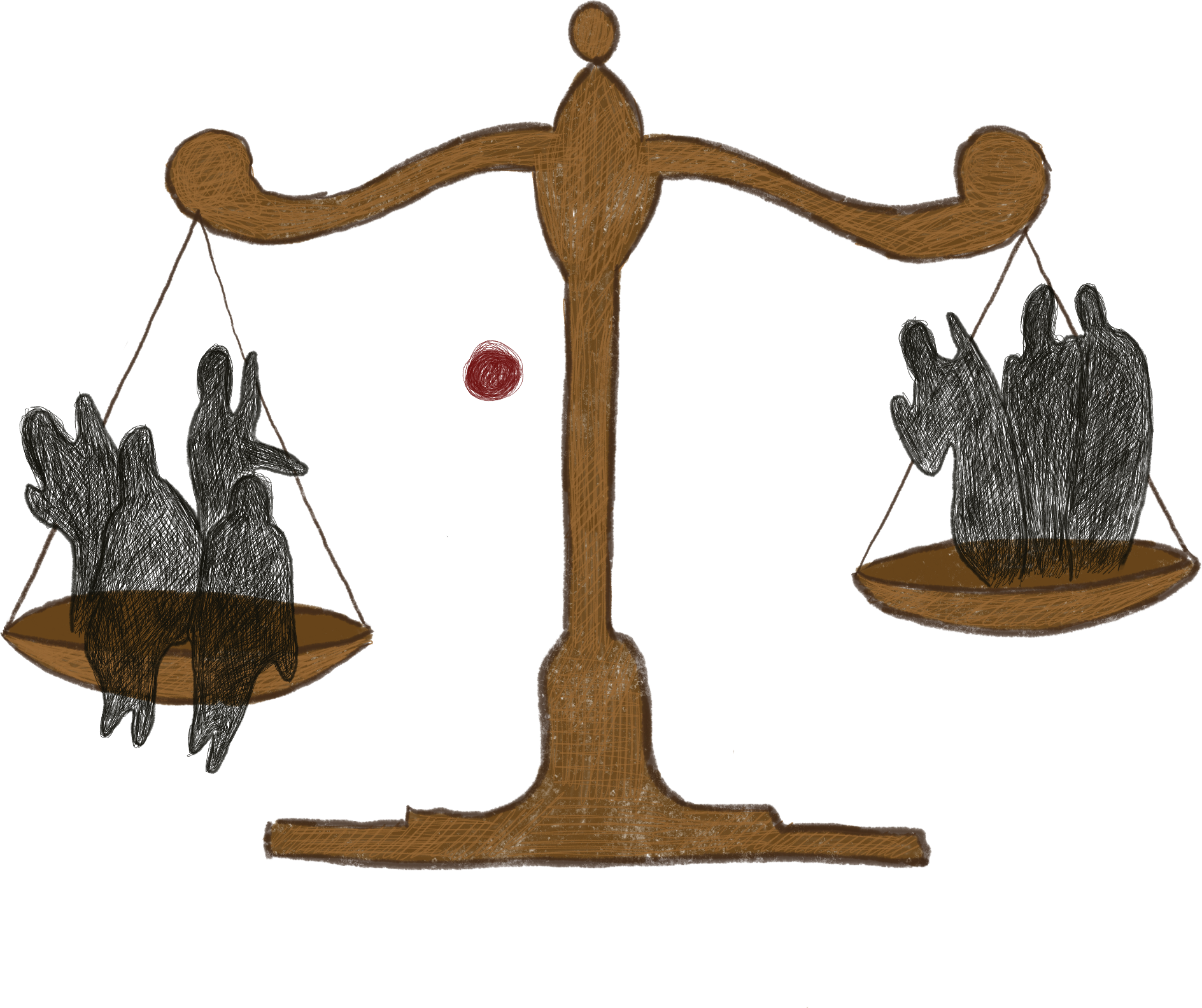
The Supreme Court of Belarus plays a key role in reviewing death penalty cases. As an appellate body, it has the authority to uphold or overturn a sentence.

15. Minsk Regional Court
The Minsk Regional Court is the main judicial body that issues most of the death sentences in Belarus. High-profile cases begin their proceedings here, and the Supreme Court later serves only as an appellate body.
16. Kastryčnickaja Metro Station
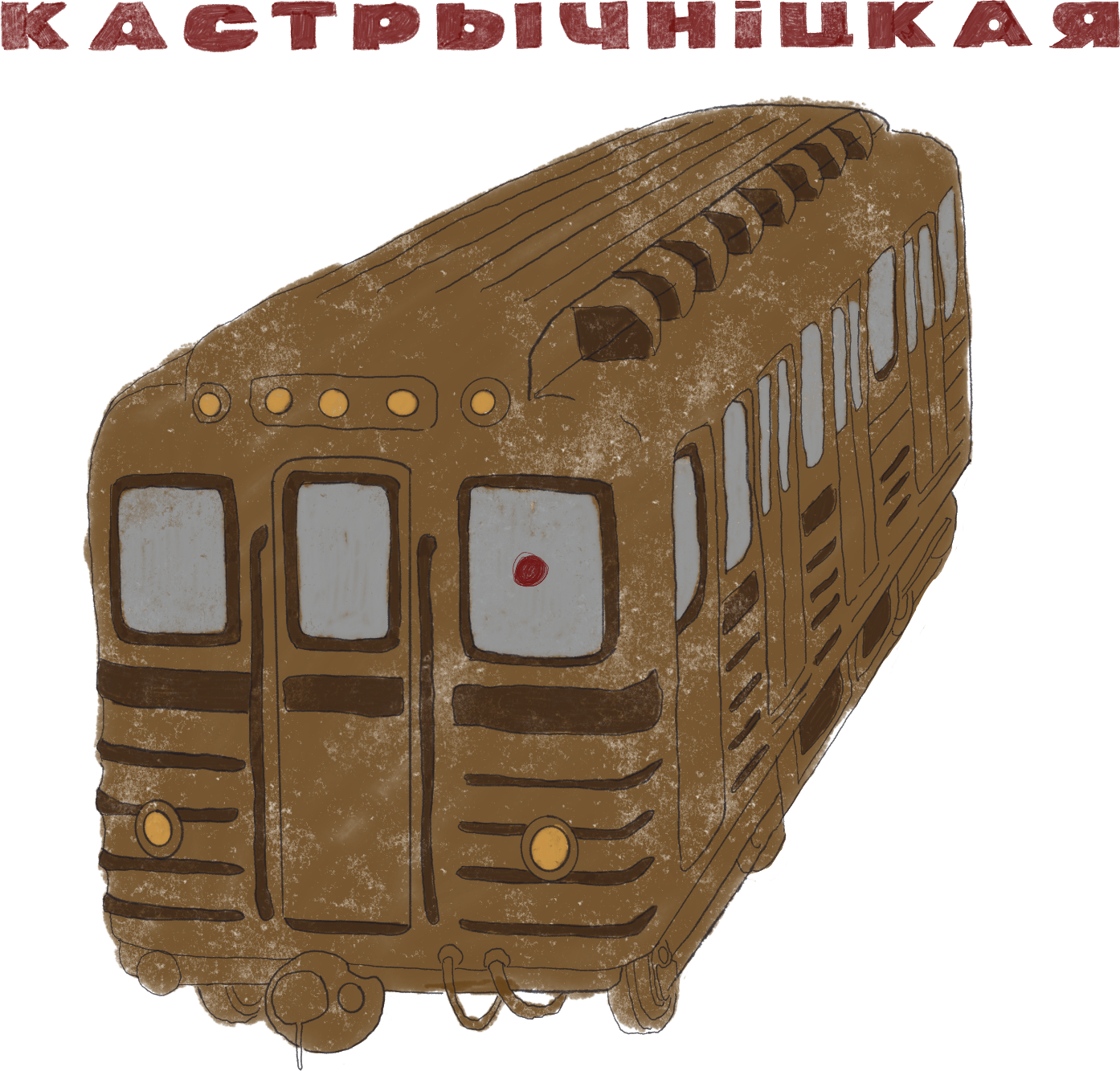
On April 11, 2011, an explosion at the Kastryčnickaja metro station in Minsk claimed 15 lives, making it the only terrorist attack in the Minsk metro’s history. The two men convicted in the case, Dzmitry Kanavalau and Uladzislau Kavaliou, were quickly executed, despite doubts about the fairness of their trial. Kavaliou’s case became a symbol of lawlessness, turning public opinion against the death penalty in Belarus.
17. Administration of the President of the Republic of Belarus, 38 Karla Marksa Street
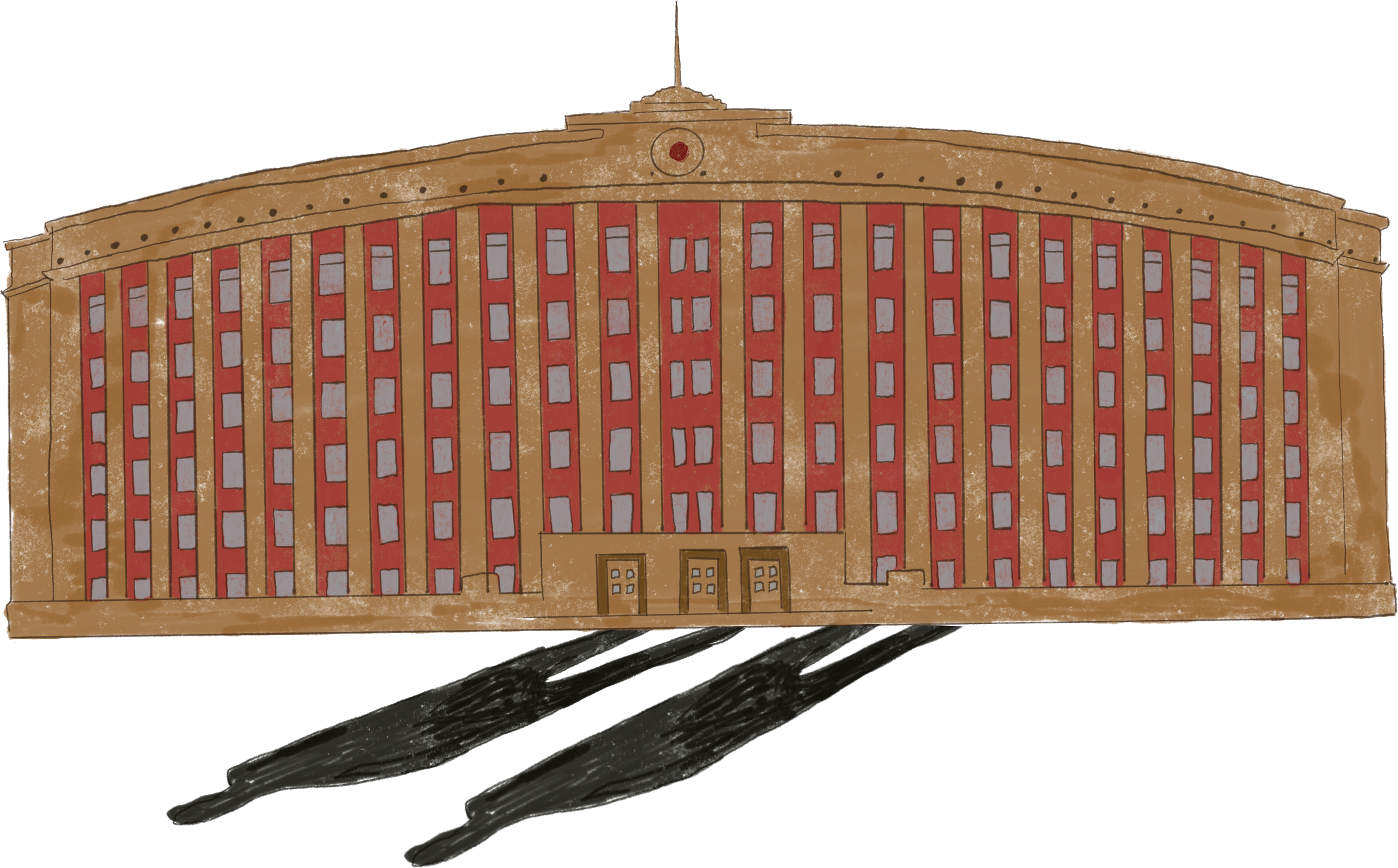
Located at 38 Karla Marksa Street in Minsk, the Administration of the President of the Republic of Belarus makes the final decision on pardoning those sentenced to death. The head of state’s signature determines whether a sentence will be carried out or commuted. In March 2010, a protest against the death penalty was held near the building. Afterward, human rights defenders Ales Bialiatski, Iryna Toustsik, and Valiantsin Stefanovic were detained and sent to the Minsk criminal detention centre at Akrestsina street.