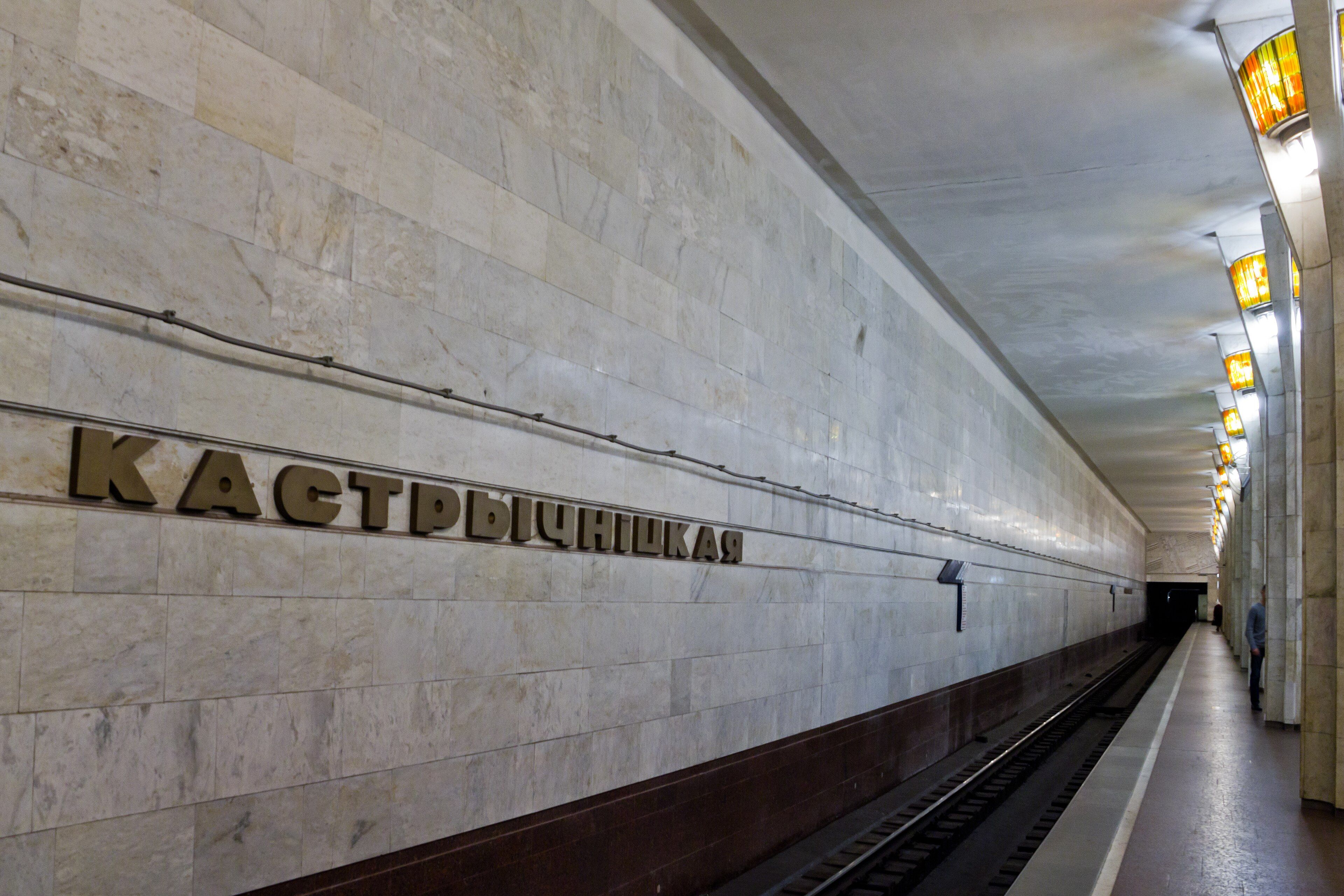
On 11 April 2011 at 17:55, an explosion occurred at Kastryčnickaja metro station. The explosive device that detonated killed 15 people and injured 203.
During rush hour at one of the most busy stations, an improvised radio-controlled explosive device went off in the crowd of passengers near the second and third cars of the train heading towards the Instytut Kuĺtury station.
25-year-olds Dzmitry Kanavalau and Uladzislau Kavaliou were sentenced to death on 30 November 2011 for organizing the explosion.
Coordinator of the Human Rights Defenders Against the Death Penalty in Belarus campaign Andrei Paluda believes:
“Compared to many other cases in which death sentences were handed down and on which we worked within the campaign, the case against Uladzislau Kavaliou is indeed unique. I am only speaking about Uladzislau because we worked specifically on his case within our campaign, preparing an appeal to the UN Committee on Human Rights together with his relatives.
First of all, the case stands out because it concerns Uladzislau’s life and fate. His death sentence was handed down and carried out very quickly, with no possibility of appealing to a second-instance court.
Secondly, the guilt of Uladzislau, the process of considering the case, and the results of the review raised many questions, not only among human rights defenders, but also within society as a whole. For example, following the execution of the death sentence, independent sociological research for the first time recorded more supporters of abolishing capital punishment than opponents.
The third point concerns how Uladzislau’s mother, Liubou, fought for his life and, after receiving documents about his death sentence, campaigned for his rehabilitation and the abolition of this shameful form of punishment.
It is worth noting that the application to the UN Human Rights Committee was considered in record time — in less than a year. The Committee recognized that the investigation had been conducted with numerous errors; that physical force had been applied to Kavaliou; that he had been coerced into giving testimony against himself; that the presumption of innocence had been violated; that the court had been biased; and, most importantly, that the right to life had been violated. This terrible incident, connected with the explosion in the Minsk metro, is a tragedy for our entire society, affecting the relatives of those who died, were wounded, were convicted and were executed. In my opinion, it requires further investigation and review.”